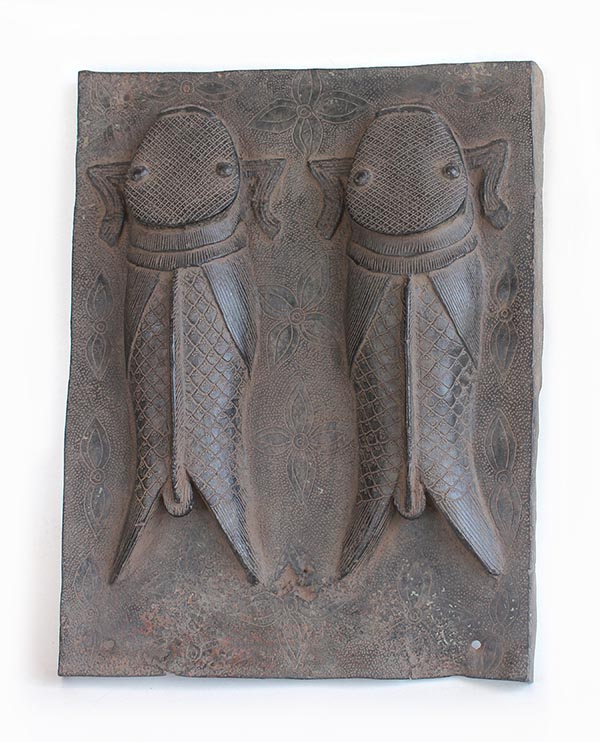
The debate surrounding so-called looted art has taken on a religious character in Western Europe, with Germany at its centre, and is blocking a trade segment in West Africa in a way that has clearly taken on discriminatory proportions. So, as is so often the case, well-intentioned laws and bureaucracy on the part of gender priests are achieving the exact opposite of what they claim to be justifying their actions. Since the media is now virtually controlled by this feminine sect, which in turn engages in constant exaggeration and counters substantive criticism as misogynistic, art dealers and traders are often asked whether they are ‘smuggling looted art’.
To reiterate, as described in many articles, all objects of special art-historical significance have been displayed on the gallery pages since 1997. Former UNESCO recommendations, now the Cultural Property Protection Act, would allow a person or institution to complain if there were any legal issues with any of the objects we display.
The fact that the unequal distribution of money in the past has created an ‘advantage’ for European collectors may be perceived as unfair, but in reality it has the effect that European preservation culture has saved much from destruction and may later benefit Africans in their research into their past. However, we can reassure collectors and buyers that objects are also coming onto the market in Africa, just as they are in Europe. Trade has accompanied the entire history of humankind.
Lomé, 6 December 2025 |